QU'EST-CE QUE TU CHERCHES?
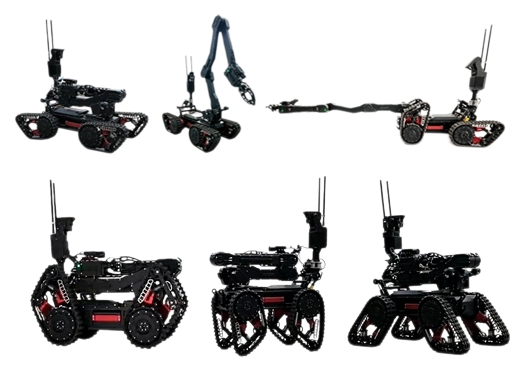
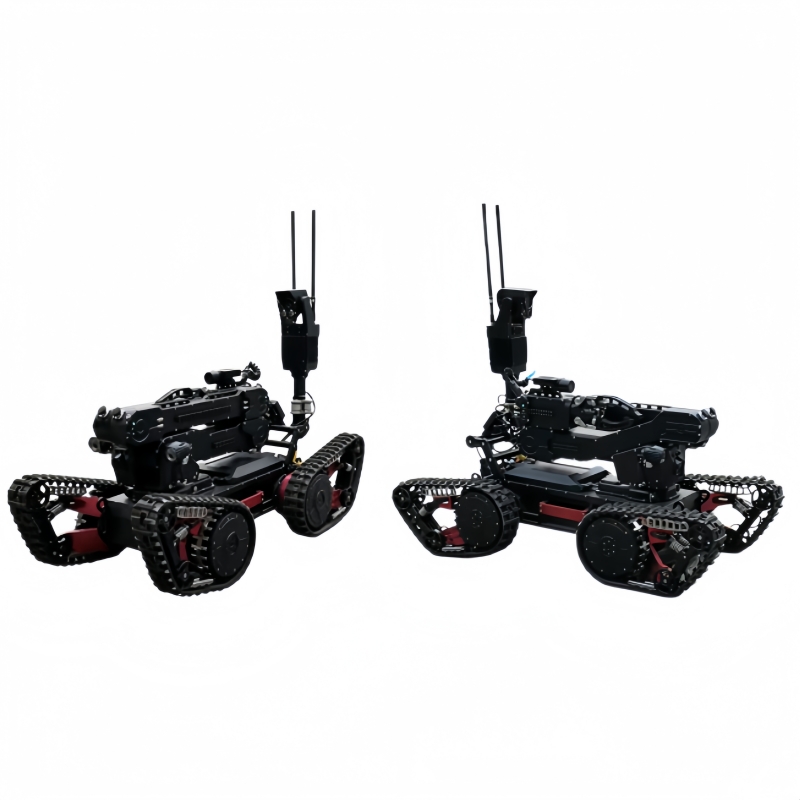
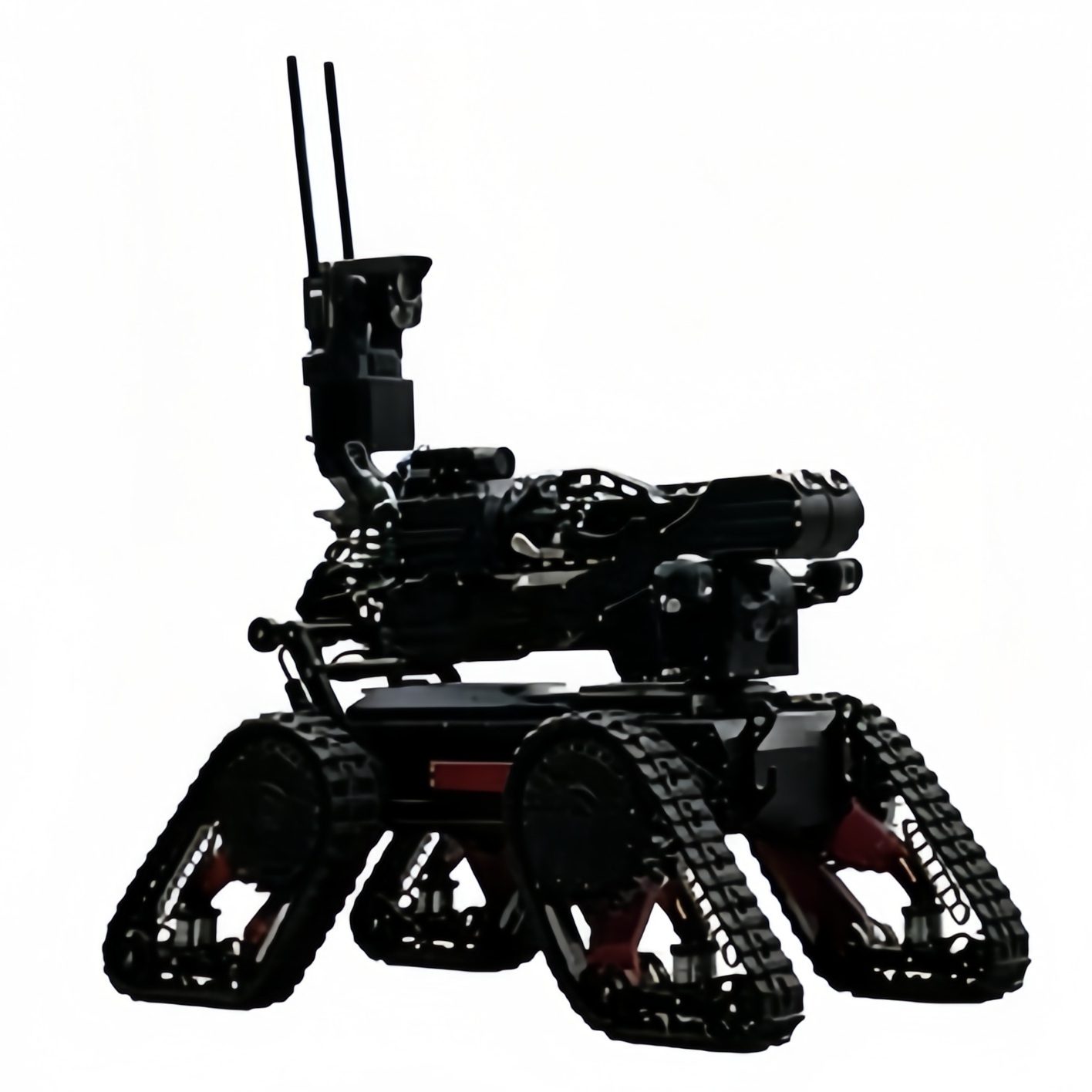
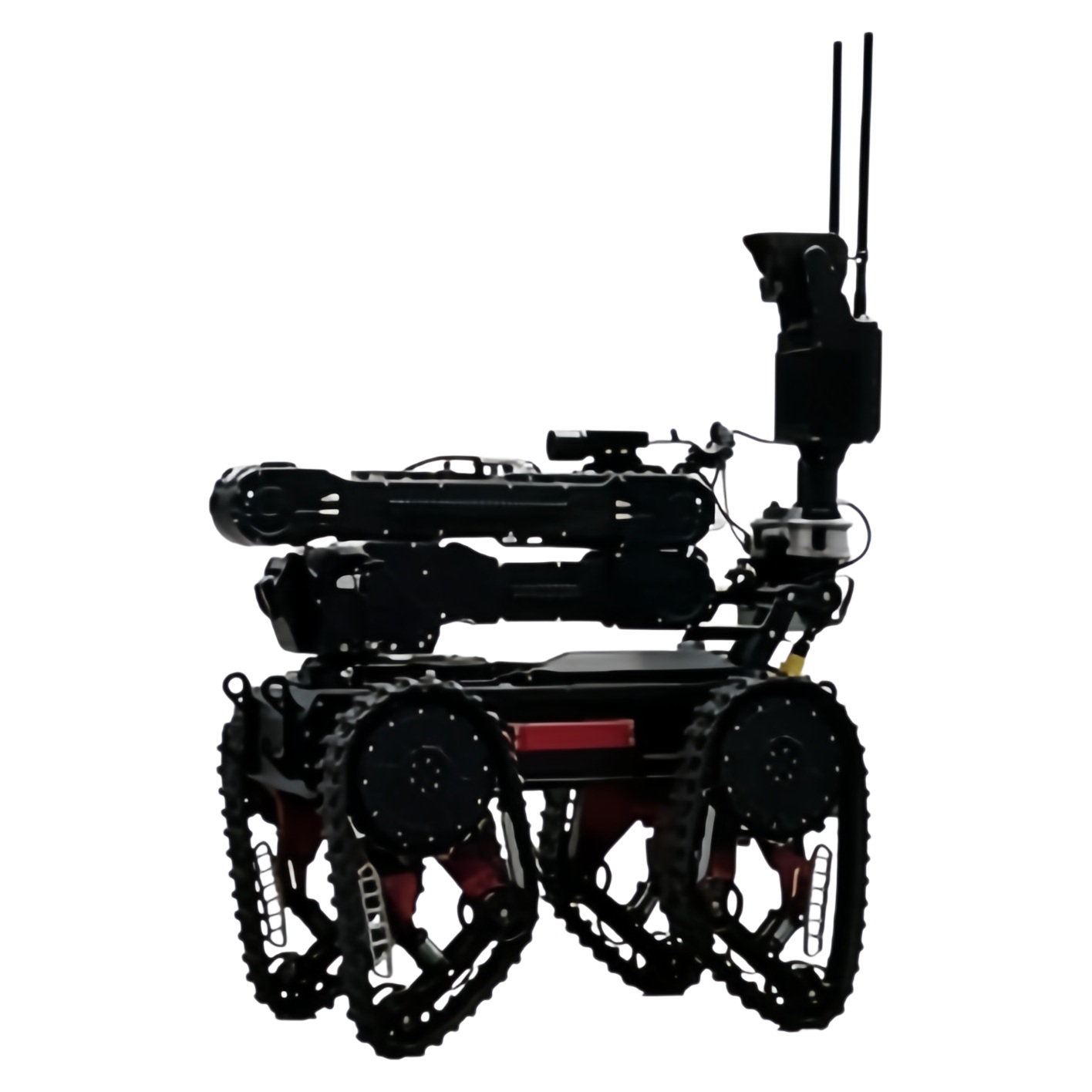
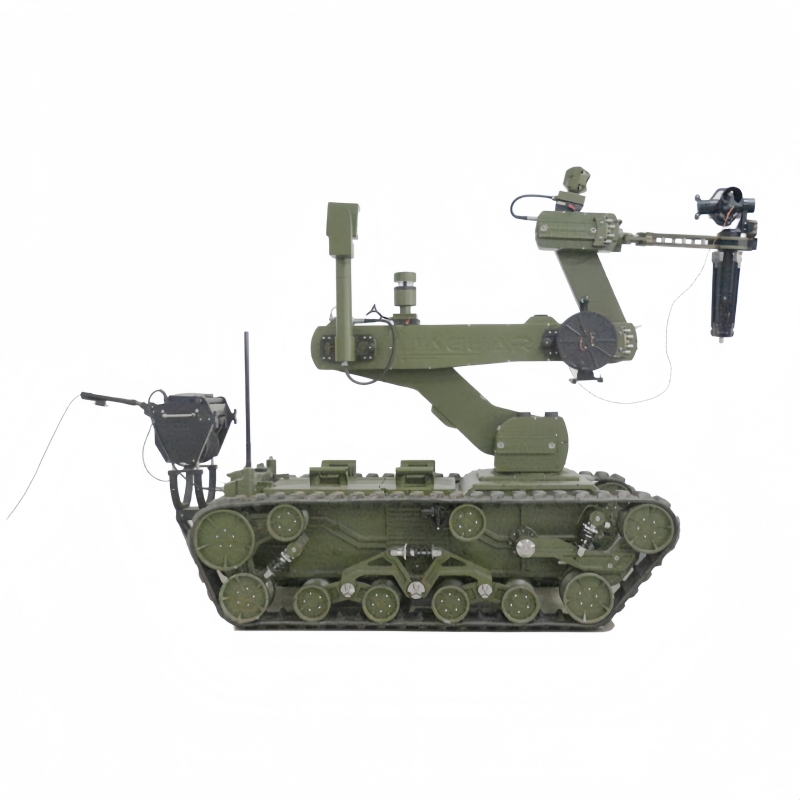
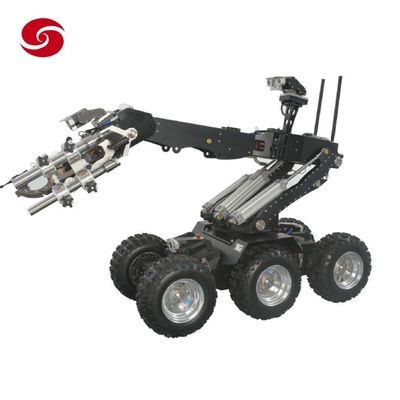
The LFP-Blazer Pro EOD Robot is not merely an explosive ordnance disposal unit; it is a comprehensive, modular tactical threat response platform engineered for the most demanding C-IED and UXO environments. Designed with a modular open architecture, the Blazer Pro transcends traditional EOD limitations by offering unprecedented scalability, interoperability, and all-weather operational readiness. Whether navigating complex urban terrain or conducting remote interventions in CBRN-contaminated zones, this platform ensures force protection through advanced sensor fusion, redundant communication links, and rapid deployment capabilities.
LFP-Blazer Pro | Modular Tactical Threat Response Platform
Hero Summary
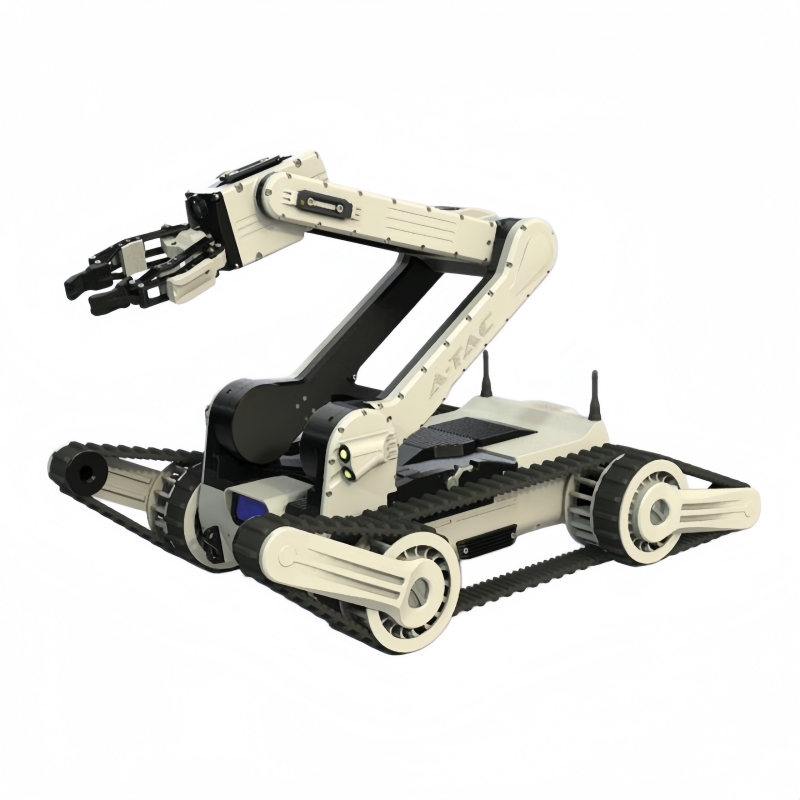
At the core of the Blazer Pro is a mission-centric design philosophy that prioritizes operator safety and tactical flexibility. The platform integrates a ruggedized tracked chassis, a high-precision manipulator system, and a dual-redundancy communication architecture into a unified system. Its modular payload interface allows for the seamless integration of third-party sensors, water jet disruptors, and X-ray inspection systems, transforming a single UGV into a multi-role threat mitigation asset. This adaptability significantly reduces the total cost of ownership by eliminating the need for multiple specialized vehicles.
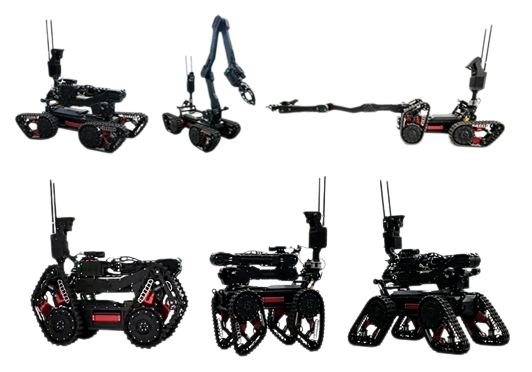
Built for sustained operations, the Blazer Pro features a hot-swappable dual-battery system and a 150-meter tethered backup, ensuring uninterrupted command and control even in GPS-denied or heavily jammed environments. From rapid deployment to post-mission analysis, every component is optimized to reduce operator cognitive load and accelerate the decision-making cycle. Discover how the LFP-Blazer Pro can redefine your tactical threat response capabilities and integrate seamlessly into your existing operational framework.
Mission Lifecycle
Phase 1: Rapid Deployment
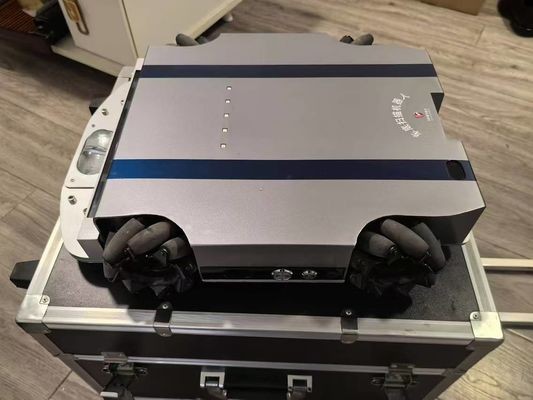
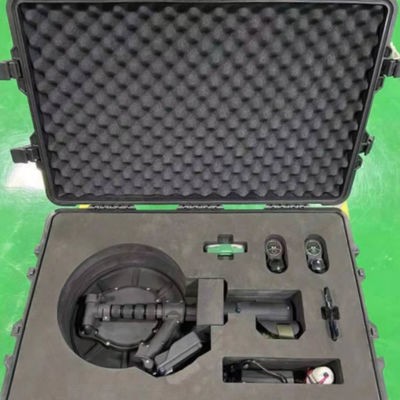
In high-threat environments, the window between threat identification and operator intervention is measured in seconds. The LFP-Blazer Pro is engineered to minimize this critical gap through a highly optimized deployment workflow. Housed in a custom-fabricated wooden transport crate, the entire system is protected against environmental hazards and physical shock during transit. This ruggedized packaging allows for safe transport via helicopter, tactical vehicle, or maritime vessel, ensuring the platform arrives at the operational theater in pristine condition.
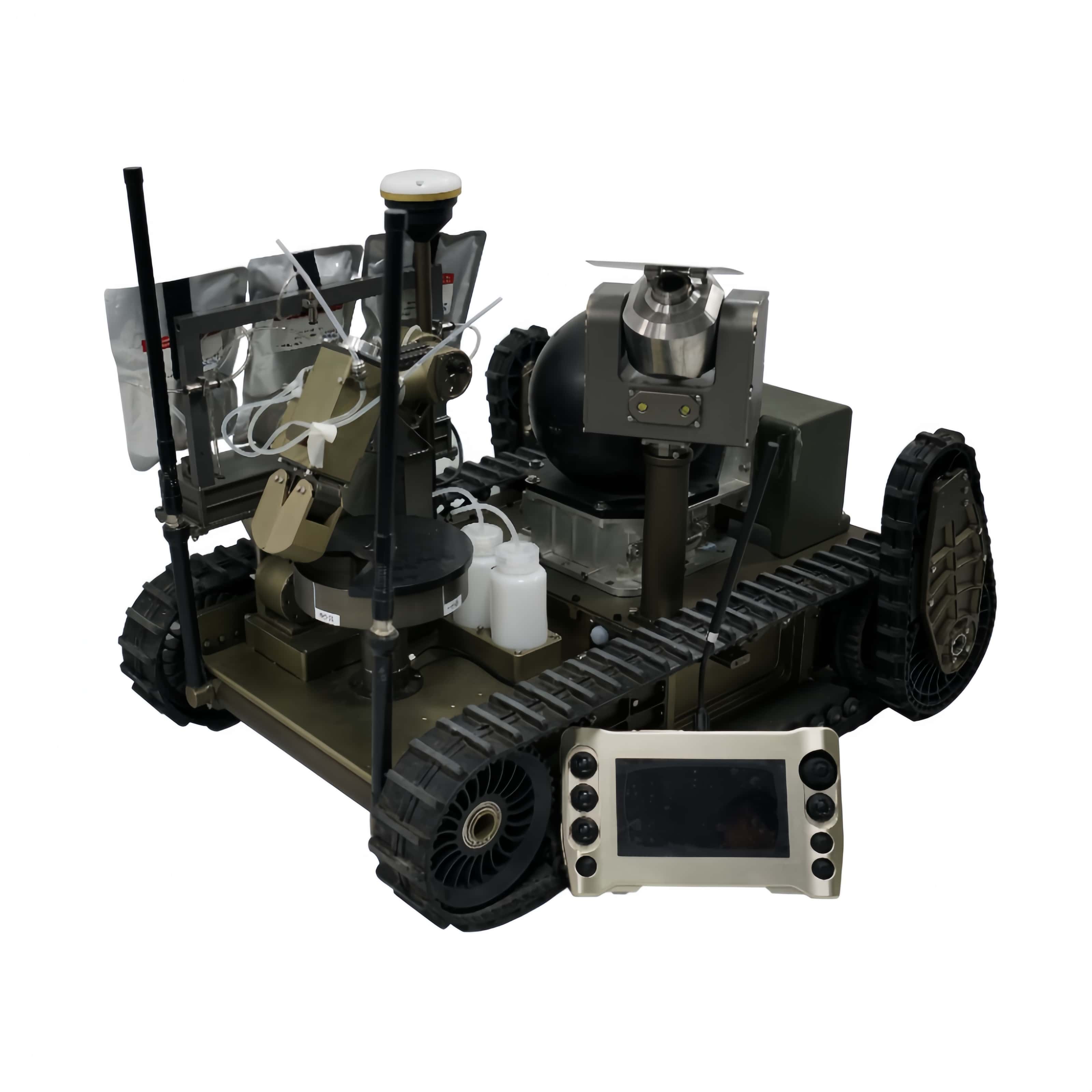
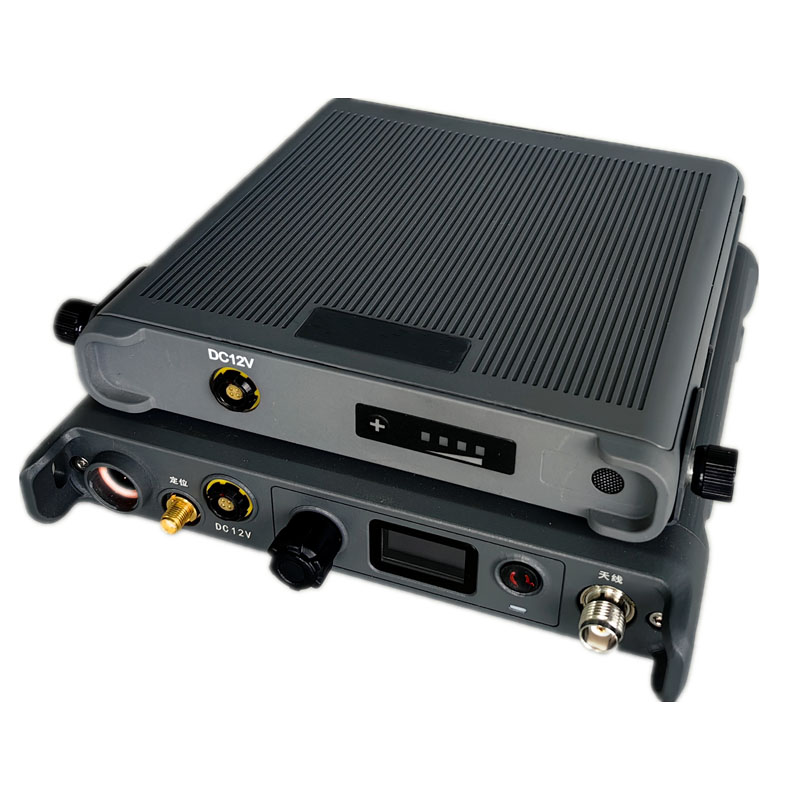
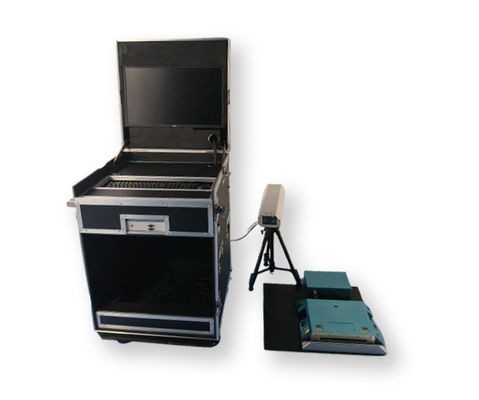
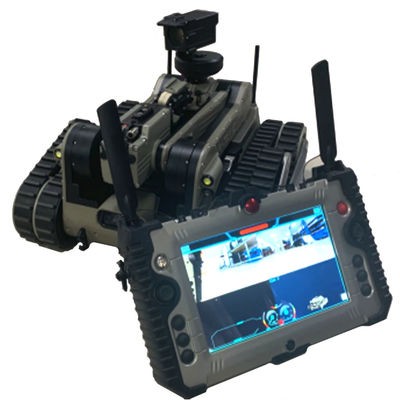
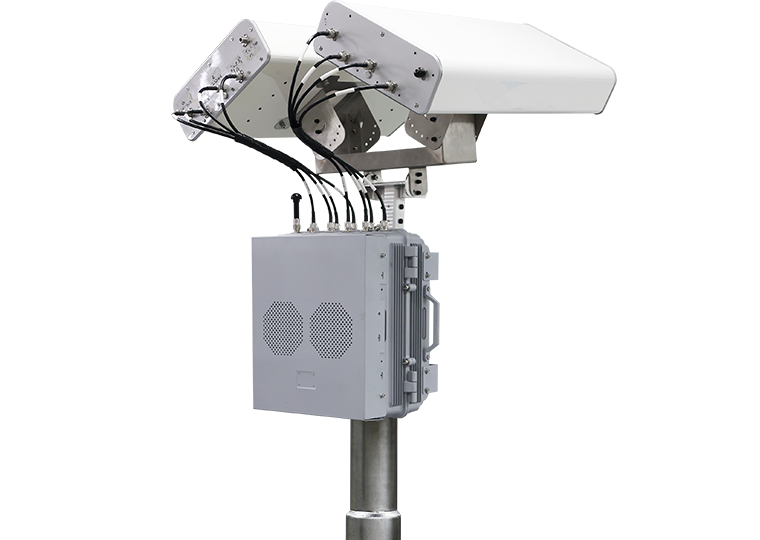
Upon arrival, the Blazer Pro’s deployment protocol is designed for a three-person EOD team to achieve full operational capability in under 15 minutes. The intuitive layout of the transport crate reduces the cognitive load during setup, allowing operators to focus on the tactical situation rather than equipment assembly. The RF diversity antenna station, complete with a deployable tripod, can be erected rapidly to establish a robust wireless link, while the G3 command console boots up and synchronizes with the UGV chassis almost instantaneously.
This rapid deployment capability is further enhanced by the system’s self-contained power architecture. The included 120/240V AC charger and dual battery sets ensure that the platform can be powered up and tested immediately upon unpacking. By streamlining the transition from transport to active mission status, the Blazer Pro maximizes the tactical tempo of the EOD team, ensuring that critical time is spent on threat assessment rather than logistical preparation.
Phase 2: Reconnaissance & Intelligence
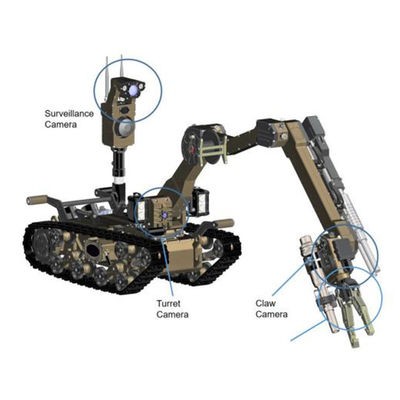
Before any physical intervention can occur, comprehensive situational awareness is paramount. The Blazer Pro’s reconnaissance phase leverages the G3 command console as a centralized sensor fusion hub. Operators receive real-time, low-latency video feeds from the UGV’s onboard electro-optical cameras, providing high-definition visual intelligence of the suspect object and surrounding environment. This multi-sensor fusion capability allows operators to construct a detailed 3D mental model of the threat zone without exposing themselves to danger.
To maintain this critical data link in contested electromagnetic environments, the platform employs a sophisticated RF diversity antenna system. By utilizing multiple antenna elements and intelligent signal processing, the system actively mitigates multipath fading and external jamming attempts. This ensures that the video and telemetry streams remain stable and uninterrupted, even in urban canyons or areas with significant RF interference. The diversity antenna station can be positioned optimally relative to the UGV, further enhancing link reliability.
The G3 command console also serves as the primary interface for environmental perception. Operators can pan, tilt, and zoom the onboard cameras with precision, inspecting the threat from multiple angles to identify tripwires, anti-handling devices, or concealment mechanisms. This detailed reconnaissance phase is essential for developing an effective intervention plan, allowing the EOD team to make informed decisions based on verified intelligence rather than assumptions.
Phase 3: Intervention & Disposal
The intervention phase represents the culmination of the Blazer Pro’s tactical capabilities. Utilizing a high-precision, multi-degree-of-freedom manipulator arm, operators can perform delicate tasks such as rendering safe procedures, package manipulation, and debris clearance with exceptional dexterity. The manipulator’s force-feedback and precise control algorithms translate the operator’s inputs into smooth, accurate movements, reducing the risk of accidental detonation during handling.
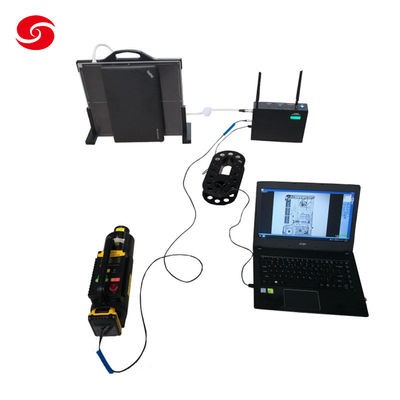
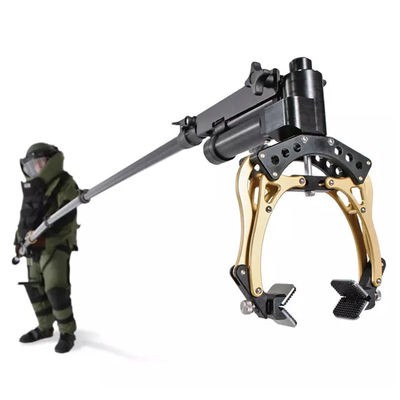
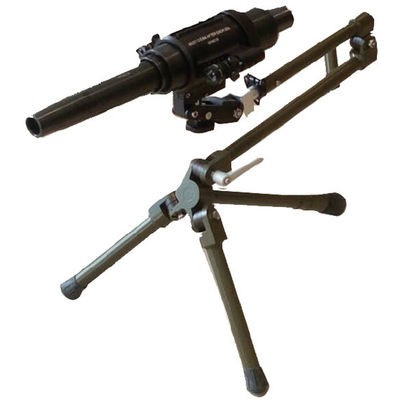
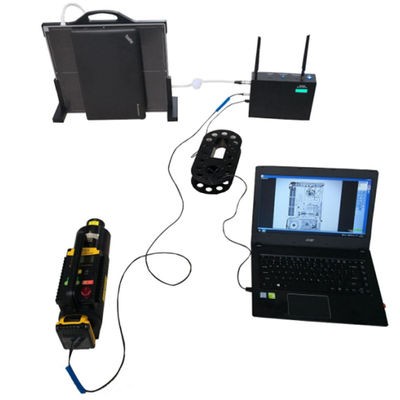
For threats that require non-contact disposal, the Blazer Pro’s modular open architecture supports the integration of specialized payloads. The optional water jet bracket allows for the secure mounting of an RD3000 water disruptor, enabling the platform to neutralize IEDs from a safe standoff distance. Similarly, the X-ray machine bracket facilitates the inspection of suspicious packages without physical manipulation, providing critical internal imaging to guide subsequent intervention steps.
This modular approach to intervention ensures that the Blazer Pro can adapt to the specific characteristics of each threat. Whether conducting a controlled detonation, performing a render-safe procedure, or utilizing a water jet for disruption, the platform provides the necessary versatility to handle diverse threat profiles. The combination of precise manipulation and optional specialized tools maximizes the probability of mission success while minimizing risk to the EOD team.
Phase 4: Safe Extraction
Mission success is not defined solely by threat neutralization; it also encompasses the safe recovery of the platform and personnel. The Blazer Pro addresses this critical phase through a dual-redundancy communication architecture. While the RF diversity system provides primary wireless control, the included 150-meter control cable serves as a hardwired backup. In the event of complete RF denial or catastrophic electronic warfare, operators can seamlessly transition to tethered control, ensuring that the UGV remains under positive command.
The platform’s endurance is managed through a hot-swappable dual-battery system. If power levels become critical during extraction, operators can perform a rapid battery change without powering down the UGV or losing communication. This continuous power architecture eliminates the vulnerability window associated with traditional single-battery systems, ensuring that the Blazer Pro can always be extracted, even if the mission parameters change unexpectedly.
The tracked chassis system is specifically designed to facilitate safe extraction in degraded environments. Its robust suspension and high-traction tracks enable the UGV to navigate rubble, debris, and uneven terrain that may have been altered during the intervention phase. By combining redundant communications, continuous power, and all-terrain mobility, the Blazer Pro ensures that the platform can always be recovered, preserving valuable assets and maintaining operational readiness for subsequent missions.
Phase 5: After-Action Review
The conclusion of a physical mission marks the beginning of the analytical phase. The Blazer Pro’s G3 command console automatically records comprehensive mission data, including video feeds, telemetry, operator inputs, and system status logs. This digital archive provides an immutable record of the engagement, which is invaluable for training, doctrine development, and legal accountability.
Operators and commanders can utilize this data to conduct detailed after-action reviews (AARs). By replaying the mission timeline, teams can analyze decision points, evaluate the effectiveness of intervention techniques, and identify areas for procedural improvement. This continuous feedback loop is essential for refining tactics, techniques, and procedures (TTPs) in the evolving landscape of C-IED operations.
Furthermore, the structured data captured by the Blazer Pro can be integrated into broader intelligence databases, contributing to the collective knowledge base of the organization. Trends in threat design, anti-handling devices, and deployment tactics can be identified and disseminated across units, enhancing overall force protection. The Blazer Pro thus serves not only as a tactical response asset but also as a critical intelligence gathering and training platform.
Platform Architecture
Tracked Chassis System
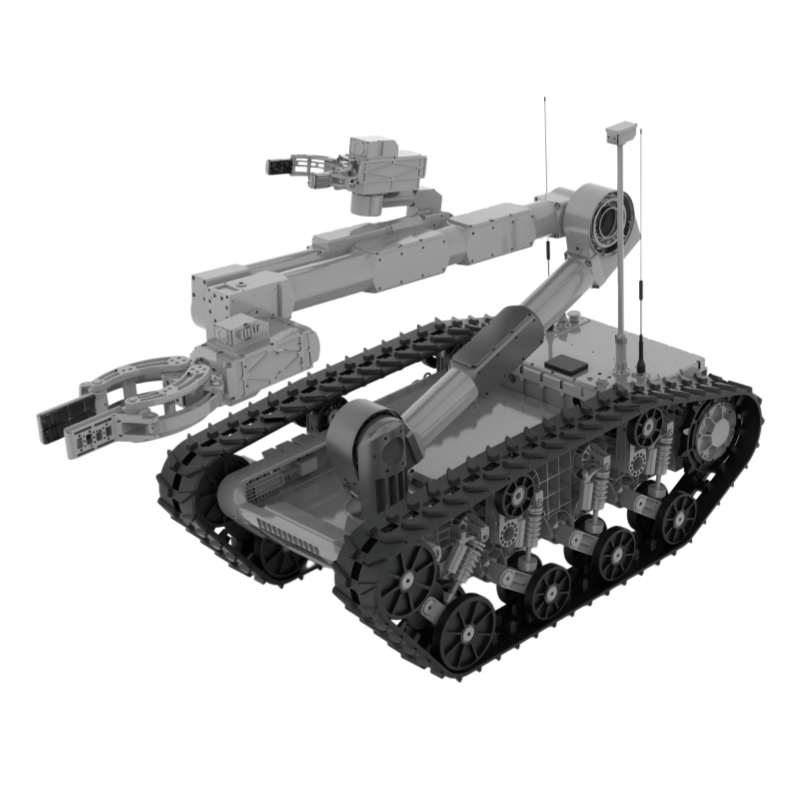
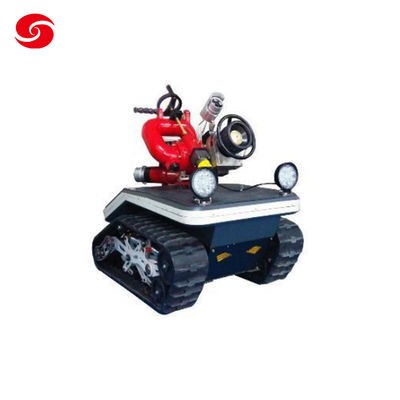
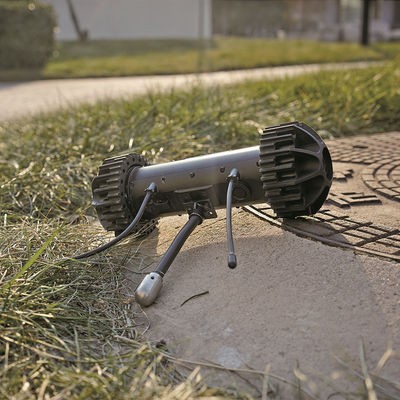
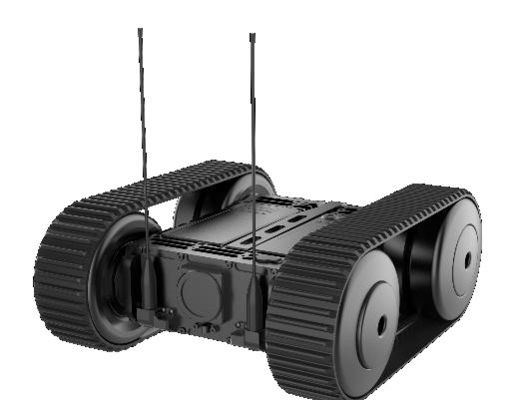
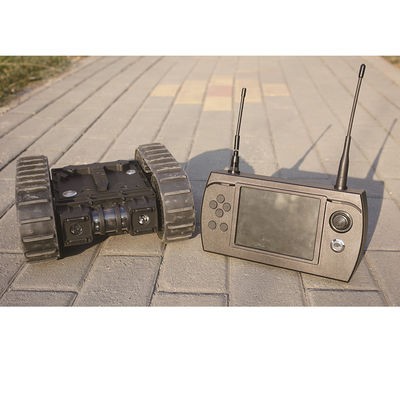
The foundation of the LFP-Blazer Pro is a purpose-built tracked chassis engineered for maximum all-terrain mobility and survivability. The track system features a high-traction tread pattern and robust suspension geometry that enables the platform to traverse rubble, sand, mud, and urban debris with confidence. Its low ground pressure distribution prevents sinking in soft terrain, while the elevated drive sprockets protect critical components from direct blast effects and ground-level obstacles.
The chassis is designed with a low center of gravity and a wide track stance to ensure exceptional stability during manipulator operations. This stability is critical when performing precision tasks or deploying water disruptors, where even minor platform movement could compromise accuracy or safety. The suspension system also provides damping to protect sensitive onboard electronics and payloads from shock and vibration during transit over rough terrain.
Constructed from high-strength materials, the chassis offers a degree of inherent ballistic and blast protection for internal components. The modular design allows for easy maintenance and field replacement of track segments, minimizing downtime and ensuring sustained operational availability. This ruggedized foundation ensures that the Blazer Pro can operate reliably in the most austere environments where EOD missions are conducted.
Manipulator & Payload System
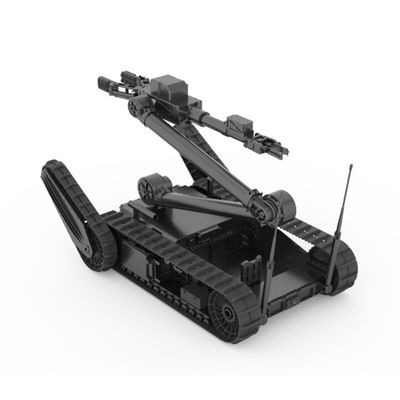
The Blazer Pro’s manipulator system is the primary interface for physical interaction with threats. Featuring multiple degrees of freedom, the arm provides a wide range of motion and dexterity comparable to human operators. The control system incorporates advanced kinematics and force-limiting algorithms to ensure smooth, precise movements, allowing operators to perform delicate render-safe procedures with confidence.
The manipulator’s end-effector is designed for versatility, supporting a variety of tools and attachments. The modular payload interface on the UGV chassis allows for the quick installation of optional accessories, such as the water jet bracket and X-ray machine bracket. This open architecture ensures that the platform can be reconfigured in the field to meet evolving mission requirements without requiring specialized tools or extensive downtime.
The payload system is also engineered to manage the thermal and electrical demands of integrated sensors and tools. Dedicated power and data connections ensure that optional payloads receive reliable power and seamless integration with the G3 command console. This comprehensive approach to manipulator and payload design ensures that the Blazer Pro can handle the full spectrum of EOD tasks, from inspection to disposal.
Communications & Control System
Command and control is the nervous system of the Blazer Pro, and the platform employs a dual-redundancy architecture to ensure uninterrupted connectivity. The primary communication link utilizes an RF diversity antenna system that actively combats multipath interference and jamming. The antenna station, mounted on a deployable tripod, provides optimal positioning for maintaining line-of-sight and signal integrity in complex environments.
The G3 command console serves as the centralized control node, integrating video, telemetry, and payload control into a single, intuitive interface. Designed for tactical use, the console features high-brightness displays, tactile controls, and ergonomic design to reduce operator fatigue during extended missions. The console also manages the seamless transition between wireless and tethered control modes, ensuring that operators always maintain positive control of the UGV.
The 150-meter control cable provides a hardwired backup that is immune to electronic warfare and RF denial. This tethered link ensures that the Blazer Pro can be operated in heavily contested environments where wireless communications may be compromised. The combination of advanced RF diversity and hardwired backup ensures that the platform remains a reliable asset in the most challenging electromagnetic environments.
Sensor Fusion Suite
The Blazer Pro’s sensor fusion suite provides operators with comprehensive situational awareness. The primary electro-optical camera system delivers high-definition video with pan, tilt, and zoom capabilities, allowing for detailed inspection of threats from multiple angles. The camera’s low-light performance ensures operational capability during night missions or in low-visibility conditions.
Environmental perception is enhanced through the integration of multiple sensors that provide depth, distance, and obstacle detection. This sensor data is fused on the G3 command console to create a unified operational picture, reducing the cognitive load on the operator. The system can also integrate third-party sensors through the modular payload interface, allowing for the addition of chemical, biological, radiological, and nuclear (CBRN) detectors or acoustic sensors as mission requirements dictate.
The sensor suite is designed to operate in harsh environmental conditions, with ruggedized housings and thermal management systems to prevent fogging or overheating. This reliability ensures that operators can trust the sensor data even in extreme temperatures, humidity, or dust. The comprehensive sensor fusion capability of the Blazer Pro transforms raw data into actionable intelligence, enabling faster and more accurate decision-making.
Power & Endurance System
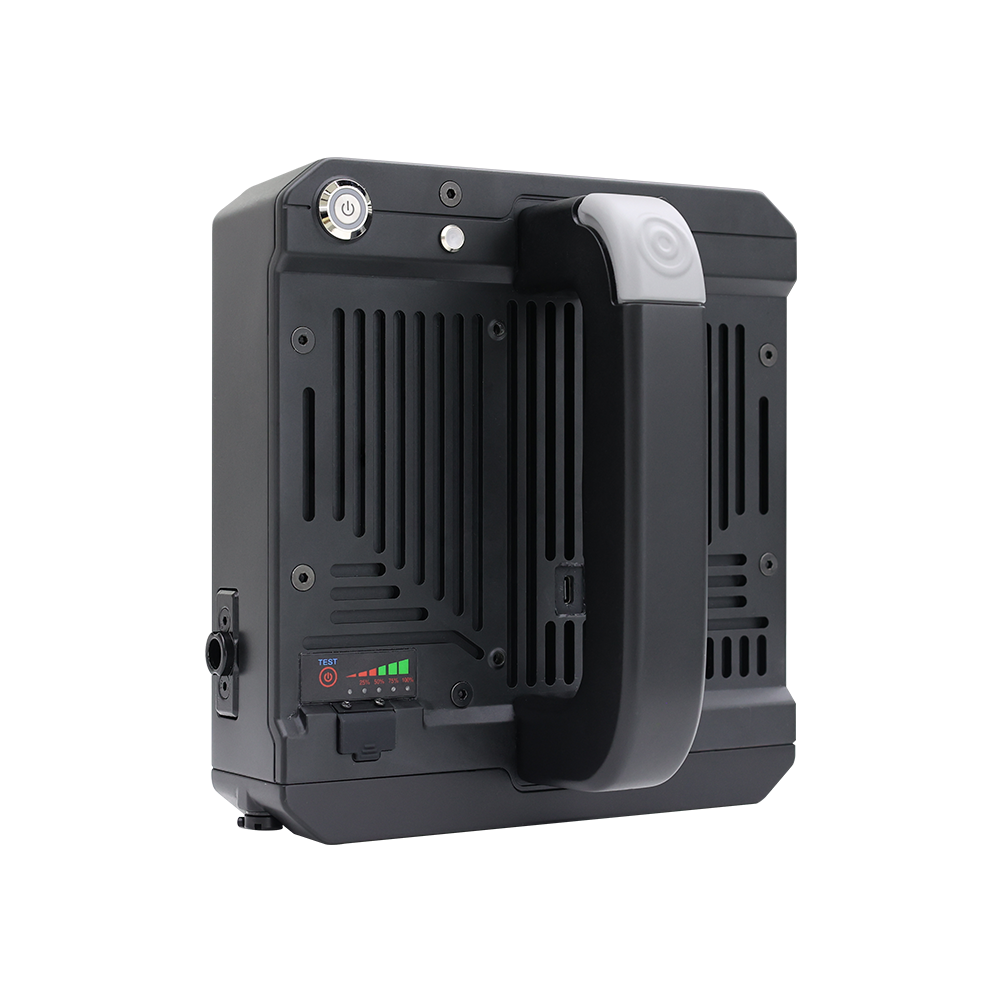
Sustained operations require a reliable and flexible power architecture. The Blazer Pro is equipped with a dual-battery system that provides extended mission endurance and hot-swapping capability. Operators can replace a depleted battery without powering down the UGV, ensuring continuous operation and eliminating the vulnerability associated with single-battery systems.
The included 120/240V AC charger supports rapid recharging in both field and garrison environments. The charger’s wide input voltage range ensures compatibility with various power sources, from tactical generators to standard mains power. The battery management system monitors cell health, temperature, and charge cycles to maximize battery lifespan and ensure safety.
The power system is also designed to support the electrical demands of optional payloads and high-power tools. Dedicated power distribution ensures that the manipulator, sensors, and communication systems receive stable power even under heavy load. This comprehensive power architecture ensures that the Blazer Pro can sustain prolonged operations without compromising performance or safety, making it a reliable asset for extended EOD missions.
Modular Expansion Architecture
Open Architecture Design Philosophy
The LFP-Blazer Pro is built upon a modular open architecture (MOA) philosophy that prioritizes interoperability and future-proofing. Rather than being locked into a proprietary ecosystem, the platform is designed to integrate with third-party sensors, tools, and software. This approach ensures that the Blazer Pro can evolve alongside emerging threats and technological advancements, protecting the customer’s investment over the platform’s lifecycle.
The MOA design extends to both hardware and software interfaces. Standardized mechanical mounting points, power connectors, and data buses allow for the rapid installation and configuration of new payloads. On the software side, open APIs enable the integration of custom algorithms, sensor processing pipelines, and command interfaces. This flexibility allows organizations to tailor the platform to their specific operational requirements and doctrine.
By embracing open architecture, the Blazer Pro reduces the total cost of ownership. Customers can leverage existing inventory of sensors and tools, avoiding the need to purchase redundant capabilities. The platform’s adaptability also extends its useful life, as it can be upgraded with new technologies rather than replaced entirely. This strategic approach to platform design ensures long-term value and operational relevance.
Third-Party Sensor & Tool Integration
The Blazer Pro’s payload interface is designed to accommodate a wide range of third-party systems. The mechanical and electrical standards are aligned with industry best practices, ensuring compatibility with commercially available EOD tools and sensors. This interoperability allows EOD teams to integrate specialized equipment such as CBRN detectors, acoustic sensors, or communication relays without extensive modification.
Integration is supported by comprehensive documentation and technical support. The platform’s open architecture includes detailed interface control documents (ICDs) that specify mechanical dimensions, electrical characteristics, and data protocols. This transparency enables customers and third-party vendors to develop custom integrations with confidence. The Blazer Pro thus serves as a versatile base platform that can be customized to meet the unique needs of different operational environments.
This capability is particularly valuable for organizations that operate multiple types of UGVs or have legacy equipment. The Blazer Pro’s open architecture allows for the consolidation of capabilities onto a single platform, reducing logistical burden and training requirements. By enabling seamless integration of third-party systems, the Blazer Pro maximizes operational flexibility and ensures that the platform remains at the forefront of EOD technology.
Water Jet Bracket (RD3000)
The bracket is designed for rapid installation and removal, allowing operators to configure the Blazer Pro for water jet missions in the field. Integrated routing for water hoses and electrical connections ensures a clean and organized installation, reducing the risk of snagging or damage during operations. The bracket’s compatibility with the RD3000 system ensures that operators can leverage this proven disruption technology with the Blazer Pro’s mobility and precision.
This optional expansion significantly enhances the platform’s standoff capability, allowing for the neutralization of IEDs without direct physical contact. The water jet bracket exemplifies the Blazer Pro’s modular design, providing a cost-effective and flexible solution for specific threat profiles. By integrating this capability, the Blazer Pro becomes a more versatile and effective tactical threat response platform.
X-Ray Machine Bracket
Like the water jet bracket, the X-ray machine bracket is designed for rapid field installation and removal. The mounting interface ensures proper alignment and stability, which is critical for producing clear and interpretable X-ray images. Integrated power and data connections simplify the setup process, allowing operators to quickly transition to inspection missions.
This expansion capability transforms the Blazer Pro into a mobile inspection platform, reducing the need for separate X-ray units and enhancing operational efficiency. The ability to inspect threats remotely and safely is a critical component of modern EOD operations. The X-ray machine bracket exemplifies the Blazer Pro’s commitment to modularity and operator safety, providing a valuable tool for threat assessment and decision-making.
Future Upgrade Path
The modular open architecture of the LFP-Blazer Pro ensures that the platform can adapt to future technological advancements and evolving threat landscapes. The standardized interfaces and open APIs provide a foundation for continuous improvement, allowing for the integration of next-generation sensors, AI-powered processing, and advanced communication systems. This future-proof design protects the customer’s investment and ensures long-term operational relevance.
The upgrade path is supported by a roadmap of planned enhancements and compatibility with emerging industry standards. Customers can anticipate new payload options, software updates, and performance improvements that leverage the platform’s open architecture. This proactive approach to platform evolution ensures that the Blazer Pro remains at the cutting edge of EOD technology.
By investing in a platform with a clear upgrade path, organizations can avoid the costs and disruptions associated with complete system replacements. The Blazer Pro’s modular design allows for incremental upgrades, spreading costs over time and minimizing downtime. This strategic approach to platform lifecycle management ensures sustained operational capability and maximizes the return on investment.
LFP-Blazer Pro EOD Robot: Tactical Threat Response Platform (Part 2/2)
6. Operational Environments
The LFP-Blazer Pro is engineered as a resilient tactical UGV, designed to maintain operational continuity across the most demanding global theaters. Its robust chassis and dual-redundant communication architecture ensure mission success regardless of environmental degradation.
Urban Combat Zones
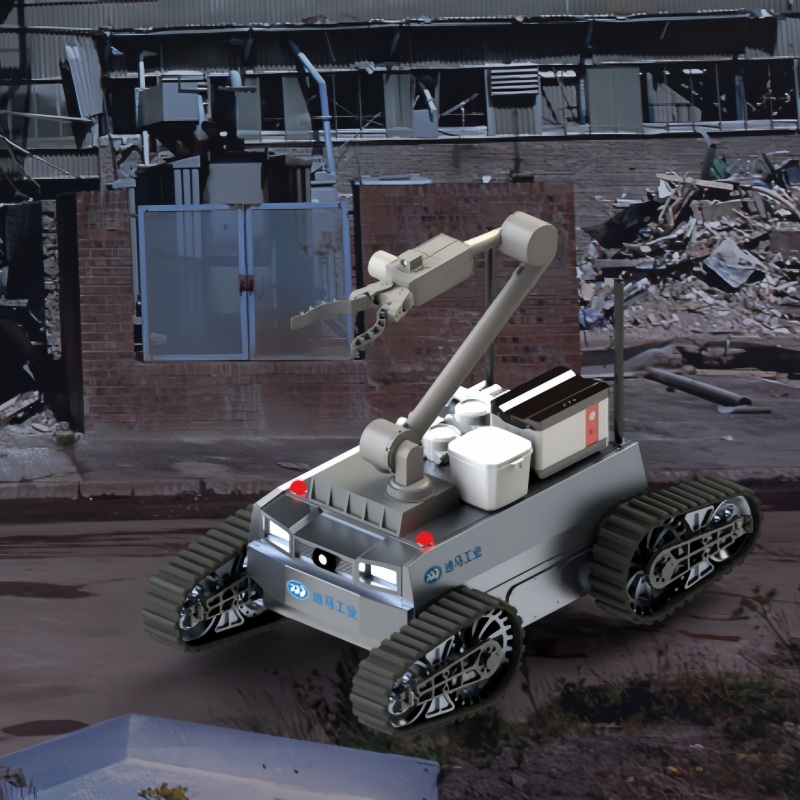
In dense urban terrain, the Blazer Pro excels in navigating unpredictable topography. The high-traction tracked system effortlessly traverses heavy rubble, shattered concrete, and debris fields commonly found post-blast. With a low center of gravity and optimized weight distribution, the platform can ascend and descend steep staircases and navigate narrow alleyways without tipping. The 150-meter tethered cable option provides a secure, jam-proof data link in environments where RF signals are heavily obstructed by reinforced concrete and steel structures, ensuring uninterrupted manipulator control during close-quarters threat neutralization.
Desert & Arid Operations
Engineered for extreme thermal and particulate environments, the Blazer Pro features sealed electronics and advanced thermal management to withstand ambient temperatures exceeding 50°C (122°F). The track system is designed to resist sand ingestion, while the RF diversity antenna station maintains signal integrity in open desert expanses where multipath interference is minimal but range requirements are maximum. The dual-battery system is optimized for high-temperature discharge curves, preventing premature voltage sag during extended desert patrols.
Arctic & Cold Climate
In sub-zero environments, the Blazer Pro’s power system is designed to mitigate cold-induced battery degradation. The dual-battery configuration allows operators to swap depleted units rapidly, maintaining continuous operations without waiting for cold-soaked batteries to recharge. The sealed mechanical joints prevent ice accumulation in the drivetrain, while the G3 Command Console remains fully operational in low-visibility conditions, providing critical telemetry feedback when visual line-of-sight is compromised by blowing snow or whiteout conditions.
Coastal & Maritime
For littoral and maritime operations, the Blazer Pro features corrosion-resistant materials and conformal-coated PCBs to withstand high-salinity environments. The platform can operate in high-humidity conditions without electrical arcing, making it ideal for port security, shipboard EOD, and beachhead threat clearance. The RF diversity system compensates for signal attenuation caused by salt spray and ocean surface reflections, ensuring reliable control during amphibious or coastal C-IED missions.
Confined Spaces & Indoor
The Blazer Pro’s compact footprint and precise manipulator control make it indispensable for indoor operations. The platform can navigate low-clearance corridors,underground facilities, and cramped industrial spaces where larger UGVs cannot operate. The 150-meter control cable provides a secure, hardwired connection in GPS-denied, RF-shielded indoor environments, allowing operators to safely conduct render-safe procedures from a protected standoff position.
7. Total Cost of Ownership
Acquiring the LFP-Blazer Pro represents a strategic investment in force protection and operational efficiency. While the initial procurement cost is USD $137,000, the platform delivers significant long-term savings through reduced personnel risk, lower maintenance overhead, and modular scalability.
Cost Comparison Analysis
|
Cost Category |
Traditional Manual EOD |
Competitor UGVs |
LFP-Blazer Pro |
|
Initial Acquisition |
N/A (Personnel Cost) |
180,000-250,000 |
) |
|
Operator Training |
12-18 Months |
6-9 Months |
4-6 Weeks |
Operational & Maintenance Advantages
Unlike legacy systems with proprietary lock-in, the Blazer Pro’s modular open architecture allows operators to integrate third-party sensors, manipulators, and payloads without expensive OEM modifications. The optional water jet bracket and X-ray mounts (USD $3,860 each) enable rapid mission reconfiguration at a fraction of the cost of integrated systems. Preventive maintenance is simplified through standardized components, reducing depot-level repair cycles and minimizing fleet downtime.
ROI & Strategic Value
The primary ROI of the Blazer Pro is measured in lives preserved and mission success rates. By removing operators from the immediate blast radius, the platform eliminates the catastrophic cost of EOD casualties. Financially, the reduced training pipeline (weeks vs. years) and lower sustainment costs deliver break-even within 18-24 months of operational deployment compared to traditional manual EOD teams.
8. Compliance, Training & Support
The LFP-Blazer Pro is supported by a comprehensive lifecycle management framework designed to meet international defense procurement standards and ensure sustained operational readiness.
International Compliance & Standards
The platform complies with NATO STANAG and international export control regulations, facilitating streamlined procurement for allied and partner nations. All documentation, technical manuals, and training materials are available in English and can be localized upon request. The system meets MIL-STD-810H environmental testing standards and complies with international electromagnetic compatibility (EMC) requirements for secure coexistence with allied communications systems.
Comprehensive Training Ecosystem
We provide a three-tiered training program to ensure operator proficiency: - Basic Operator Course (2 Weeks): Platform familiarization, safe handling, basic navigation, and standard EOD procedures. - Advanced Technician Course (1 Week): Field maintenance, battery management, payload integration, and advanced manipulator techniques. - Instructor Certification (1 Week): Train-the-trainer program enabling units to sustain organic training capabilities without external support.
Global Sustainment & Support
Spare Parts Availability: Global logistics centers maintain 95% fill-rate for critical spares, with 48-hour AOG (Aircraft on Ground) shipping for mission-essential components.
Remote Firmware Upgrades: Secure, encrypted OTA (Over-The-Air) updates enable rapid deployment of software enhancements, security patches, and new feature sets without depot return.
24/7 Technical Support SLA: Dedicated defense support hotline with guaranteed 1-hour response time for critical operational issues, backed by remote diagnostic capabilities and on-site engineering support when required.
9. Request a Mission-Specific Configuration Brief
Every operational theater presents unique threat profiles and environmental challenges. The LFP-Blazer Pro’s modular architecture allows for mission-tailored configurations that maximize effectiveness for your specific C-IED, UXO disposal, or force protection requirements.
Contact our B2B Defense Sales Team today to schedule a confidential consultation. We will provide a detailed mission-specific configuration brief, including tailored payload recommendations, training schedules, and total cost of ownership projections for your procurement cycle.
Initiate your threat response capability upgrade: Request a Configuration Brief Now.
ÉTIQUETTES :